It is a conversation first and foremost, not a sales pitch. That is how any worthwhile cosmetic consultation in Australia should be. By the time you are done you will have a handle on your options and the probable outcome, as well as the risks, aftercare and all associated costs. You may yet decide to forgo treatment but at least you will know where you stand.
Rose Dunstan here. I put a practical spin on my writing about beauty. Consider a cosmetic consultation a medical appointment; come with your questions and your common sense and allow yourself the time to mull it over. There is no prize for having treatment booked before one has fully grasped it.
What Is A Cosmetic Consultation?
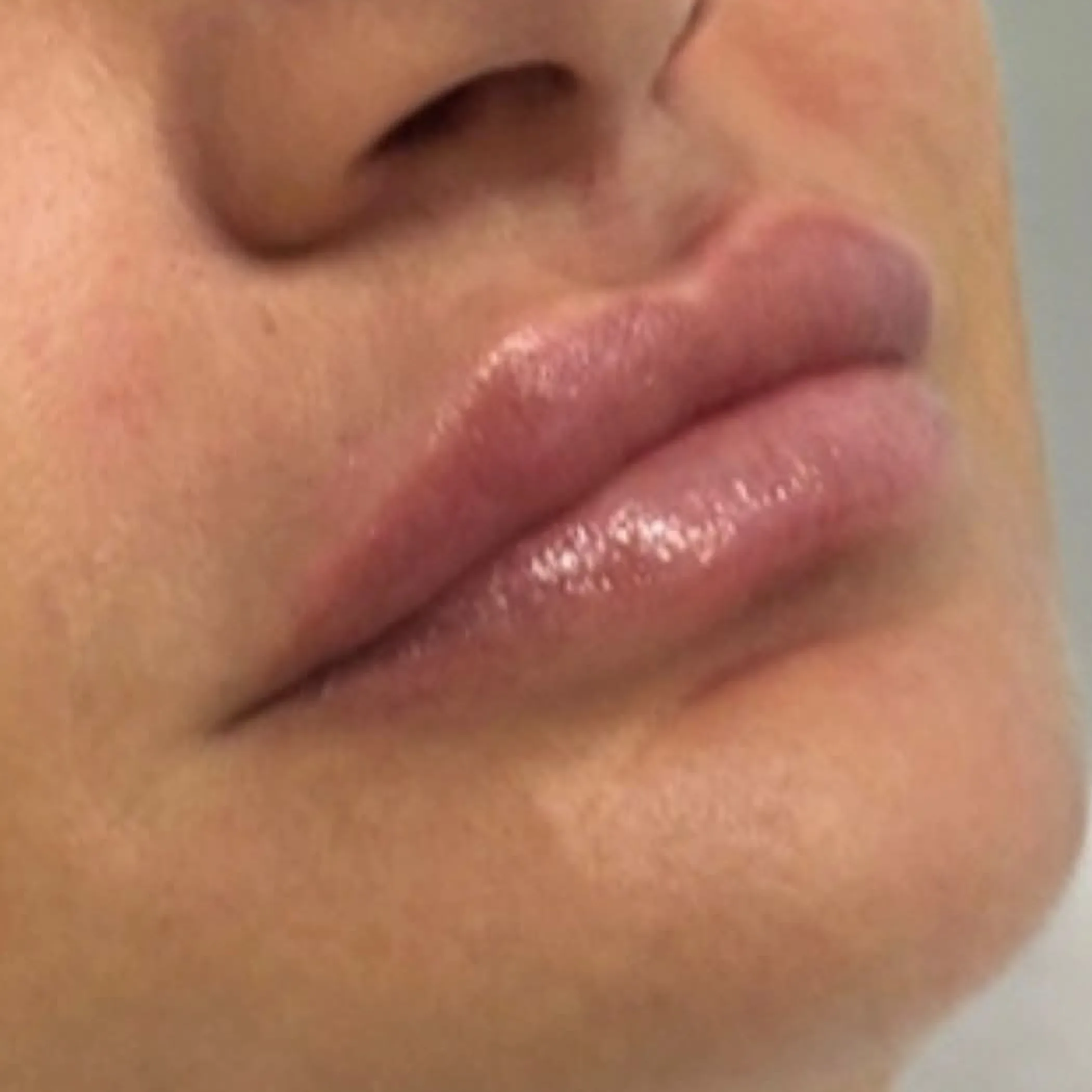
Put simply, it is an opportunity to put an appearance concern in front of a registered health practitioner. The person you see could be a specialist plastic surgeon, a nurse or other suitably registered professional.
The purpose of that initial meeting is to determine if the treatment is right for you and if the practitioner is too. It is not an exercise in pointing to a photo and demanding the same jawline or lips, making it an important step when preparing to choose your practitioner.
Medical Assessment And Suitability
Expect to be put through your paces on medical history, allergies, current medications and any past procedures. The practitioner might also enquire as to whether you smoke or drink, have had trouble healing, are pregnant or have had any untoward reaction to an injectable.
There will be a physical assessment to go with it. If surgery is on the table they will be looking at facial anatomy, skin quality, scars and proportions. With non-surgical work the focus is more on symmetry, muscle movement and the like.
Goals, Motivation And Expectations
State your aesthetic aims in plain English. “I want to look less tired” will do. But if you say you want to be the spitting image of some airbrushed photograph, be prepared for a frank talk on filters and what is realistic.
A good practitioner will get to the bottom of why you are there and if your expectations can be met. Should there be signs of BDD, emotional distress or pressure from someone else, a referral to your GP is a sensible course of action.
How To Prepare For Your Appointment
Do some planning so the session is of use and you do not overlook something. It also keeps you from being put off by half-baked explanations or pricing that is rough as guts.
Make a note of what you are not prepared to put up with and what you would like to see. No need for medical jargon, honesty is better than fancy phrasing.
Have Your Health Information To Hand
Compile a list of everything you are taking, vitamins and supplements included, along with any allergies. Put down any complications or infections from prior operations or unusual scarring.
Let the practitioner know of any condition that could impede healing or if you are on medication that affects bleeding, are breastfeeding or have surgery planned elsewhere. Omitting a detail because it seems of no consequence can come back to haunt you.
Plan Your Questions
Some pertinent questions: who is doing the work and what are their credentials? How frequently do they do it? What are the alternatives? What if the result is uneven?
Downtime and aftercare should be covered, as well as any maintenance. Do not be shy to put money on the table for discussion; an itemised quote is part of making a safe decision.
- Ask what is a realistic result given your features and health.
- What are the risks, both serious and otherwise?
- What treatment options and alternative treatments should I consider?
- What is in the price and what is not?
- Who will you be in touch with for aftercare should you have any concerns?
The Appointment
While the process will differ from one clinic to another, most will have you register, discuss your health and then assess you before explaining the treatment. Some will take clinical photographs for their records and to aid in the planning. Make sure you are aware of this and ask how the images are to be used; what is for the file should not end up on social media without your say so.
Assessment And Treatment Planning
To make his point the practitioner might put a mirror or some diagrams in front of you. The onus is on them to put the details of your facial anatomy or whatever part of the body is at issue in terms you will comprehend. Allow yourself time to mull over what has been put forward and to put any questions to them.
A treatment plan put together for you might call for a single procedure, a staged one or none at all. In it you should find an account of the technique to be used, the risks and limitations, how you will recover and what result to expect. Computer imaging is a means of showing what might be, but do not be under the impression it is a guarantee; bodies are not printers.
Consent must be informed
To give consent is to agree of your own accord to a treatment you have come to understand. It is not just a case of signing off on a form as someone indicates the payment terminal. Put in for written particulars on the procedure, side effects, what is required by way of preparation and aftercare, who to contact in an emergency and so on. You are free to have a change of heart before anything is done. A proper consultation ought to leave you with information, not feeling put on the spot.
Comparing your options
When it comes to an aesthetic consultation, a practitioner will look at the concern at hand and not simply the product or procedure you may have had in mind. He or she will make clear if something surgical, non-surgical or conservative is called for in your case. On occasion the most prudent advice is for no intervention or a more modest, staged change. Disappointing as that can be, it is a sign of good judgement on the part of the practitioner, not an attempt to secure a booking in a hurry.
Surgical and non-surgical avenues
An appointment for cosmetic surgery in Australia could be for facial or breast work, body contouring and the like. The operating surgeon’s role, anaesthesia, where incisions and scarring will be, hospital logistics and any need for revisions should all be part of the conversation.
“Non-surgical” is not to be equated with “risk-free”. With injectables, lasers, energy-based or other clinic services there is still the prospect of swelling, bruising, infection, vascular issues or a result that does not meet with approval.
| Appointment Focus | What You Should Understand | What To Check |
|---|---|---|
| Surgical consultation | Understand the procedure, anaesthesia, scars and complications. | Check on the facility, follow-up and revision policy and the surgeon himself. |
| Non-surgical consultation | Get the facts on the device or product, maintenance and downtime. | Verify the provider’s registration and source of product, and the emergency plan. |
| Cosmetic injectables (Australia) | Review the dosage, injection sites, when a review is due and side effects. | Make note of the prescriber and injector, aftercare and any prescription-only medicines. |
Risks, recovery and what to expect
There is always an element of uncertainty with any treatment. Your consultant should spell out the less common but serious complications and common side effects alike, and tell you when to get medical attention in a hurry.
Do not put in for a wedding or an interstate trip or a big presentation at work right after unless the practitioner says the timing is sound. Recovery is a function of your health and the area treated as much as the treatment itself.
Make a practical plan for recovery
Inquire as to how long you can expect to be tender or have visible changes, when you can get back to driving, swimming, exercise and your job. With surgery you may need to arrange transport from the facility and some help at home. For an injectable or the like, ask if you should eschew alcohol or hard exercise, if you want an escort and which symptoms mean you should ring the clinic. There may be a need for a follow-up to see how you are healing or to determine if more is warranted.
On results and maintenance
Results can be a slow process or they may be fleeting and in need of upkeep. Ask when you can be sure of the final outcome and if age, sun or a change in weight will alter it. Be open about the difference between what is expected and reality. A feature may be softened but not gone, or balance improved without symmetry. Those are boundaries a practitioner should make plain before a deposit is tendered.
The cost of a consultation
Fees will differ according to the type of appointment, where it is held and the practitioner. Whether it is a separate charge, part of the treatment fee or a credit to be applied later, this should be made explicit. Call for an itemised breakdown of costs. The total can encompass everything from the facility and anaesthesia to pathology, garments and any future maintenance. A headline price that looks cheap has a way of losing its appeal once the rest is revealed.
Get a quote in writing
Find out if it is a firm price or an estimate and for how long it holds good. With surgery you should ask about deposits and cancellation, and what the position is should you opt out in the cooling-off period. Resist any pressure to commit or put down money on credit during the appointment. If you want to weigh up your options, do so. Nerves and the bright lights of a clinic are no way to make a financial decision, which is the point of a cooling-off period.
Cosmetic Surgery: Some Extra Steps
One would be hard pressed to think cosmetic surgery does not call for a good deal of planning. A single initial meeting is unlikely to put all your questions to rest, in the case of a complex procedure or one that entails a marked change.
Given that professional guidance and Australian requirements are subject to change, it is best to go to the clinic and the authorities concerned to verify what is in place at present. For registration data on health practitioners the AHPRA (Australian Health Practitioner Regulation Agency) is the source.
To Meet The Surgeon
Find out if the operating surgeon is the one you are consulting with. It is important to know who will be at the helm of your care should anything go wrong, as well as where the work is done and by whom.
There are those who need to see their surgeon twice before the operation. Make use of a second pre-operative visit to go over the plan and put any queries to him or her that have come to mind since you were last there. An existing medical condition or regular medication may also warrant a referral from your GP to help with coordination.
Registration And The Like
The public register and the AHPRA Registration Locator will tell you a practitioner’s standing and any conditions attached to it. That is a necessary check but no substitute for inquiring after his or her training, experience and how he or she would handle a complication.
Put some questions to the hospital or clinic about overnight care, emergency protocols and transport home, and get the number for after hours. Those making the journey from rural Australia or regional Victoria and beyond should factor in time for a review; do not count on telehealth to resolve everything.
Injectables Are Not The Same
An appointment for cosmetic injectables in Australia might run shorter than for surgery yet you should still give the decision due consideration. The medicines can make a difference and occasionally cause serious harm.
Inquire as to who is doing the injecting and who has put in the prescription. Any medicine of the prescription-only variety ought to be used within the clinical framework and with the right records and aftercare in order.
On Dose, Placement And Product
Your practitioner will cover the intended effect, the product itself, side effects and the treatment area, as well as the option if you are not happy with the outcome. Is it a temporary measure? Can a complication be put right? Should the treatment be done in stages?
A promotion on social media is no medical assessment. You will not learn from a pop-up event or a group booking discount if the treatment is right for you. The consultation has to happen in real time so the practitioner can form an opinion of you, not a few photographs taken from a convenient angle.
Making Your Choice
When you are weighing up a practitioner it is more than a matter of proximity to the clinic. Compare the aftercare, the registration, the way they communicate. See if they are open to a direct question and explain any uncertainty.
The error most make is to let a polished website or the images in the room dictate their view. What you want is a proper health assessment and a frank talk about what to do in the event of complications. If you are being flattered into something or put off from having a second opinion, stop and think.
Useful Appointment Logistics
And for the logistics of the day, set aside sufficient time to get to the appointment and back. Parking can be at a premium in inner-city clinics, as can public transport, with the odd tram diversion to contend with. For those in regional centres an overnight stay or more time on the road for the return journey is not uncommon. It is wise to put in a call to check on parking and lift access, the location of the entrance and if you can have a support person with you.
When your day is limited, make the assessment of risks and costs and any checks on the practitioner a priority. Leave the treatment out of a tight travel schedule; a non-refundable ticket means nothing when it comes to healing, and one has to accept that in Australia weather, roadworks and train delays are par for the course.
- Check AHPRA registration and relevant qualifications.
- Bring your medical history, medication list and allergy details.
- Take written questions and ask for itemised costs.
- Request time to consider the plan before booking.
- Confirm aftercare, follow-up appointments and emergency contact details.
Frequently Asked Questions
A first cosmetic consultation tends to throw up these sorts of questions. The answers below are straightforward enough but your health and what is right for you must be assessed on its own merits.
What Not To Say To A Plastic Surgeon?
Forget about magic words or having a script to ensure a good outcome. Be forthright with the surgeon as to your expectations, what you have had done before, your goals and medical background. Do not put forward a doctored photograph as something attainable or withhold facts. The question worth asking is one that allows for a safe assessment, not one that is merely impressive.
The Hardest Surgery To Recover From?
That will differ from one individual to the next. How you recover is a matter of the operation itself, your constitution, how you handle pain and whether there are complications or adequate support at home. The operating surgeon is the one to put you straight on matters of wound care, restrictions, pain management and when to have a review.
Most Common Cosmetic Surgery?
Any answer purporting to be the most popular should be taken with a grain of salt unless backed by a specific Australian dataset for the year and procedure in question. Some may favour injectables over surgical options. At your consultation let suitability and risk be the focus rather than what is in vogue.
New Rules On Injectables?
Professional requirements are subject to change. In this country an injectable medicine might be prescription only and proper record keeping, administration and follow-up are to be expected. Before you are treated, have the clinic set out their process and do your own verification of the practitioner with AHPRA.
Is Telehealth An Option For A Consultation?
It is useful for a preliminary talk or a follow-up of sorts, though a physical assessment cannot be done remotely. The practitioner may need to put his or her eye on your skin, facial anatomy, scars and so on. Find out if an in-person visit is a prerequisite and how they would deal with anything urgent.
Decide When You Are Ready
There should be no pressure in a good cosmetic consultation, just clarity. Make sure you are clear on the full cost, the alternatives, downtime and what recovery entails. Jot things down and do not be afraid to get a second opinion. Since it is an elective matter, an informed “no” or “not yet” is sometimes the safest course of action and hardly missing out.