There is no need to overcomplicate the matter when it comes to boat ramp launching safety in the Top End. The short of it is that in croc country you must make sure everyone stays out of the water, put your vehicle and trailer between yourself and any danger, and do nothing to draw a saltwater crocodile’s attention while you are at the water’s edge. For those planning a fishing trip, it’s crucial to be aware of angler precautions near crocs. All of which means you have to plan ahead from home, look into local alerts, give the ramp a good once over and consider any pontoon or muddy edge as crocodile habitat.
I am Rose Dunstan and I would put a calm routine up against bravado any day on a subject like this. One can be forgiven for being a little too casual in the Top End; the river is still, the ramp appears unremarkable and there is someone having a chat as though they were at some suburban lake. But they are not. This is crocodile country and people are apt to be caught out in places that look ordinary.
Read This Before You Put the Boat in
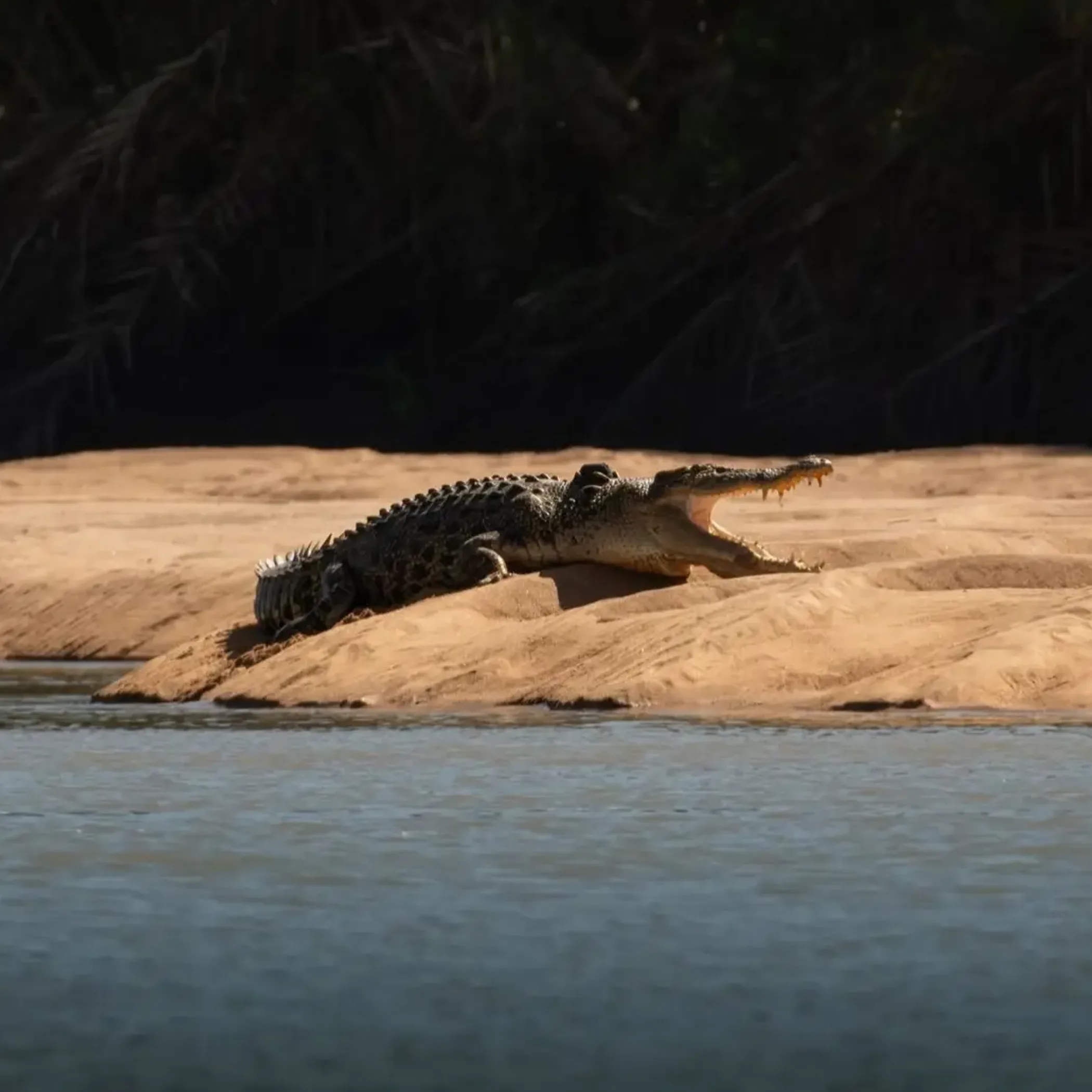
Three things to take away: get no closer to the waterline than you have to, be quick about it but not sloppy, and keep your feet dry. A case of delay or distraction, or the notion that you would spot a croc if one was close by, is how most of the trouble at these ramps begins.
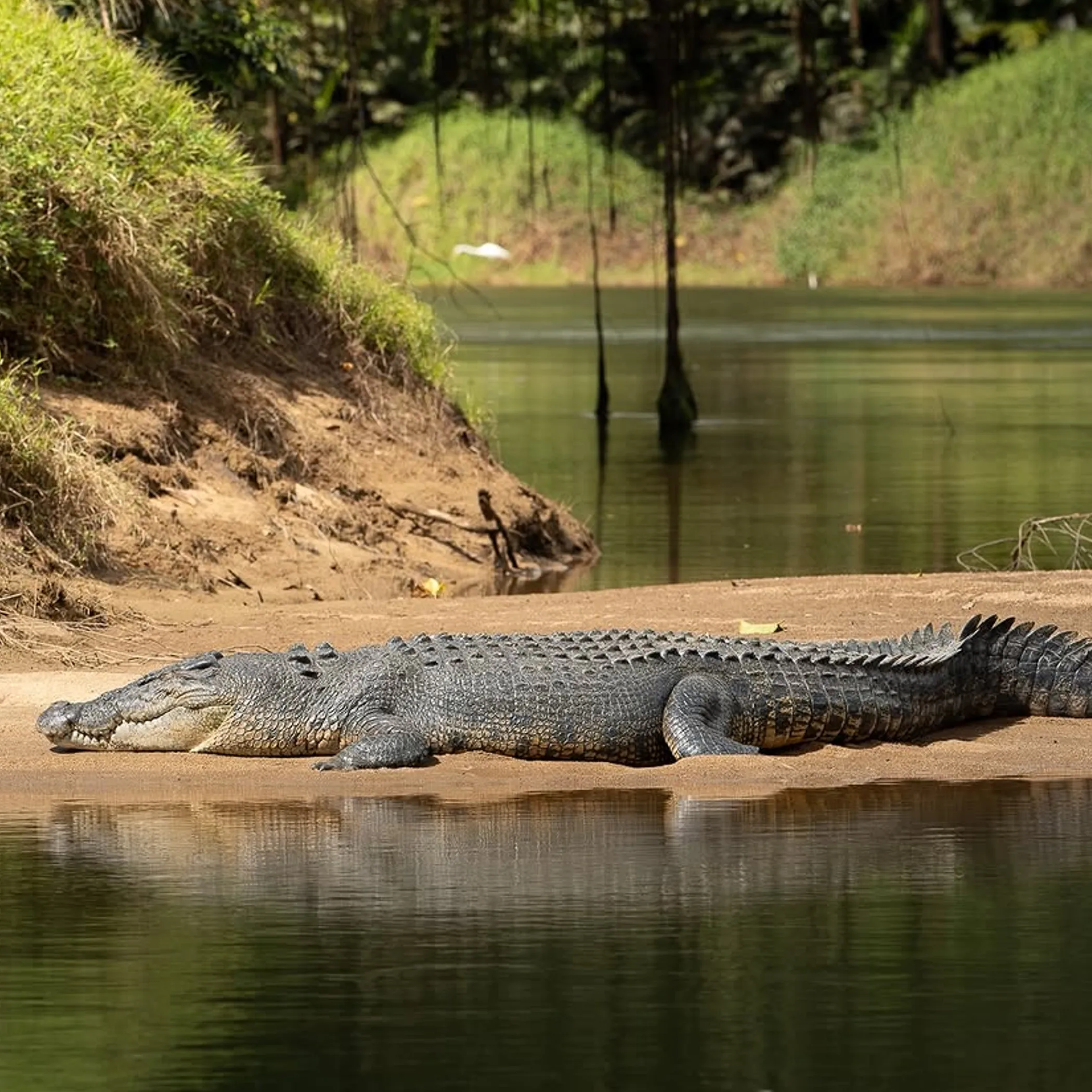
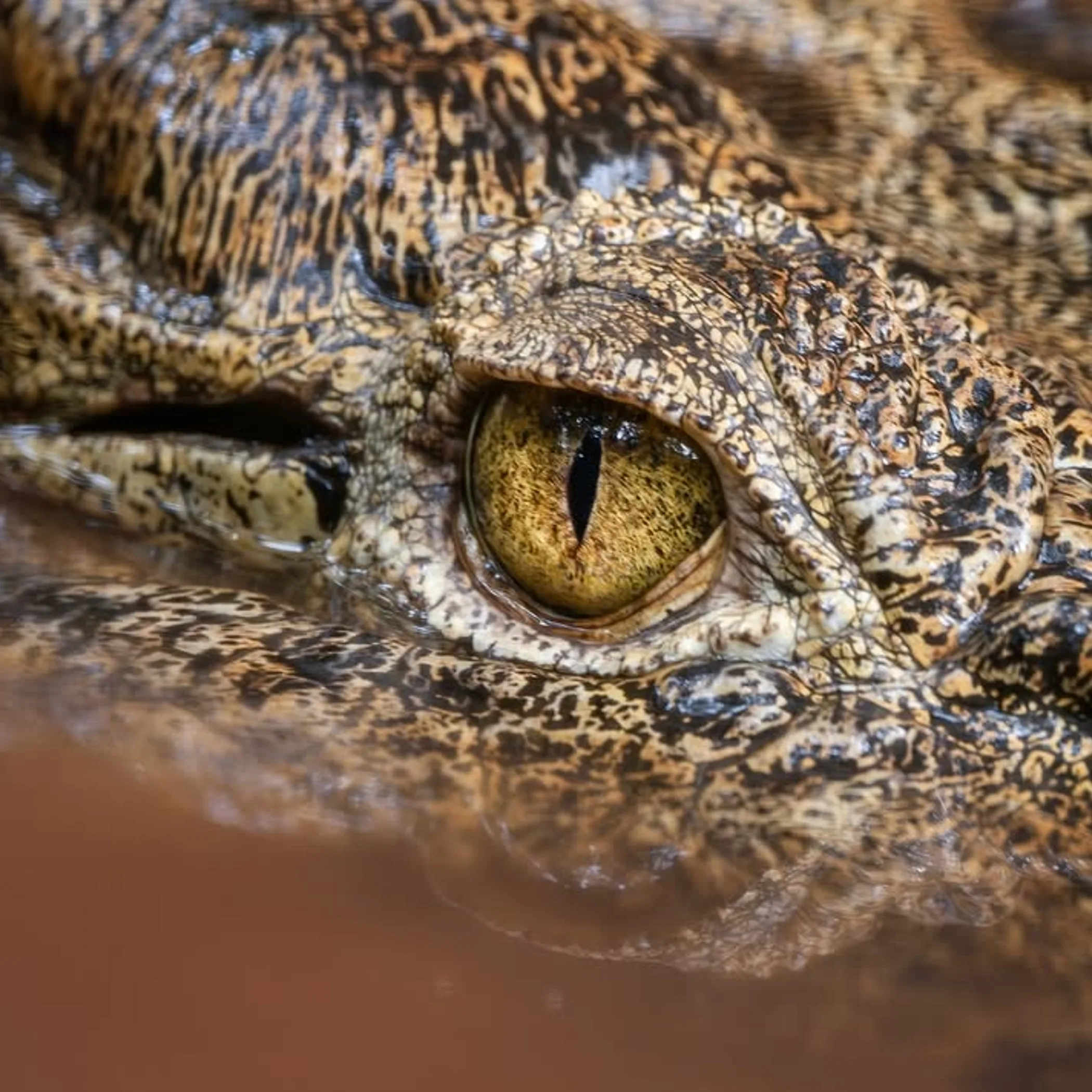
It is a trap to think that way. You may not see it, but a sizeable crocodile will sit right under your nose at a jetty in the shade or by a pontoon or mangroves. Best to operate on the assumption that it is there.
The Real Risk
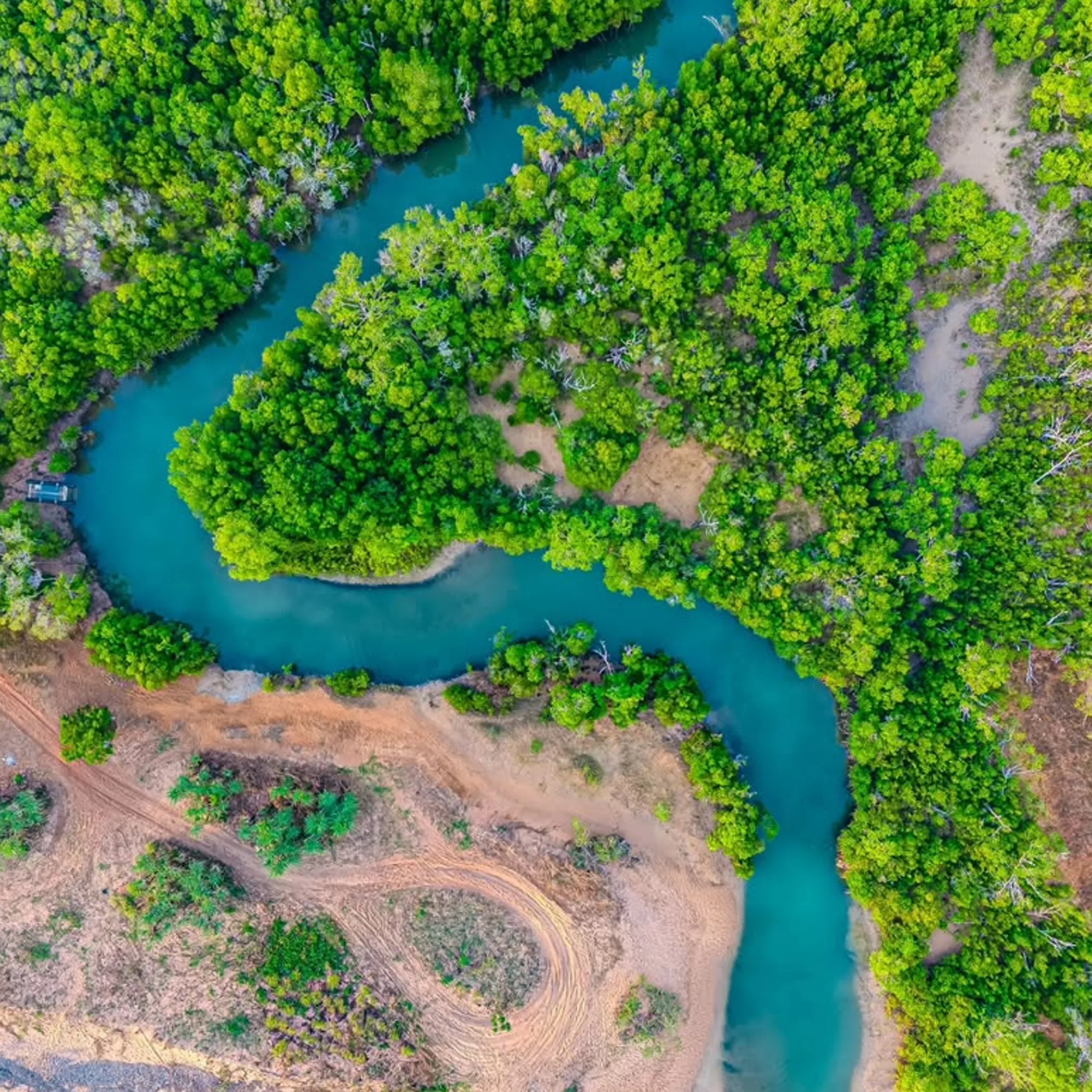
You will find crocodile risk at the Top End in estuaries, tidal rivers, billabongs, creek mouths and at the boat ramps. It is not confined to “wild” spots or Kakadu alone; even the ramps in the vicinity of towns and where the fishing and accommodation are can be active habitat.
The Northern Territory Government puts it in plain common sense with its Be Crocwise advice: stay well back from the edge and clear of any area a crocodile might use. For the latest on public safety, refer to the NT Government crocodile safety guidance.
Why you should be wary
A boat ramp is an invitation for a crocodile to take note of all the easy access to the water, the noise, human comings and goings, fish offal and cleaning tables. Toss in some low light, a tide running in, muddy banks and a crew who are not paying attention and you have a recipe for trouble.
Do not be under the impression that a concrete ramp is any safer than the natural bank just because it is more convenient for a launch. The behaviour and feeding patterns of the crocs are the same either side.
Small craft require more of you
With tinnies, runabouts and other lightweight trailer boats you are likely to be putting more of your body weight into the launch and retrieval, sitting lower and closer to the water. They are practical enough in the Top End but you cannot afford to be as lax.
Fishing out of a small boat calls for some balance at the transom and on the boarding points. Do not let your limbs dangle over the side or loiter at the transom when idling near an edge. It is the sort of thing you might forget when you are in a hurry or the heat has got to you.
Put in the time to check conditions
A little planning goes a long way to avoid the last-minute shenanigans of a barefooted scramble, a hunt for keys and a half launched boat with the strap still on.
So before you head out, what is there to confirm?
- Any current crocodile alerts and Be Crocwise bulletins from the NT Government or Parks Australia
- Storm and wind risk, particularly the cyclone season from November through April
- The state of the tides and flow on the estuary ramps and tidal rivers
- Whether there is room to turn the trailer and park, and if the pontoons and signs are in place
- Fuel and water, first aid, mobile reception and making sure you are back before dark
Those of you visiting Kakadu National Park would do well to consult Parks Australia as flooding or a temporary closure can alter the safety equation in a hurry. Do not be under the impression that development in the vicinity of a crocodile will see off its activity, even in the accommodation corridors about Jabiru or at an Aurora Kakadu Lodge and other haunts of the traveller. Some have been proved wrong by such an assumption.
Expectation versus reality
In your mind you are to pull up, reverse with some style, be on your way in five minutes with a tinnie and a grin. In fact there could be a queue, soft edges to the ramp, mirrors full of glare, a side current to contend with, mozzies and the heat, while someone is making work of it with the bungs at the worst possible time.
Rose Dunstan has a no nonsense rule: do all the fiddly business in the car park, not when you are on the ramp. Get the bungs in, put the gear on, see to the straps, make sure everyone knows his part in the retrieval before you launch. The less you are near the water, the better.
A proper inspection of the ramp
Sitting in the driver’s seat for a cursory view does not count. Make sure you are at a safe distance to get a good look and spot any hazards, instead of going down to the edge as if one was appraising begonias.
You should be looking for slide marks, fish waste, a muddy shelf, anything overhanging, bad footing, a damaged pontoon or a sign to tell you of crocs. Such things will not take the risk away but they afford some control and mean you need not put a foot in the water.
Where people go wrong
They will fixate on the concrete. Crocodiles have no regard for where the formal ramp gives out so check the reeds, mangroves, drains and still water to the side of the launch area. Or they come in the half-light thinking to “just get it done”. That is a mistake; low light can heighten crocodile activity and limit what you can see. A ramp that is dim or confusing calls for a change of site or waiting for the light to improve.
Safe launching and retrieval
Routine is key to keeping the crew dry and not faffing about by the waterline. You want a clean launch and retrieval, none of standing in the water or hanging about on the stern, let alone having a row on the ramp. Save that for a cup of tea back at the cottage.
The method is straightforward
- Have the boat ready in the parking lot, fit the bungs, load up, get the ropes to hand and decide who is to do what.
- Windows up to avoid distraction, approach the ramp and stop only to size up the place.
- An efficient reverse will do and no one goes on the lower ramp till the boat is set to float.
- Feet are to be kept dry; do not wade in to steady or put the hull off.
- Board from the pontoon if you can but do not stand low over the edge.
- Once you are afloat, clear the ramp and transom without delay.
- For the retrieval the vehicle, winch and crew should be in position.
- Load up and secure the vessel and be off the ramp before you sort the gear.
That is the essence of the guidance on saltwater croc safety: no wet feet, no delays, no point in being exposed. If you want to put a name to angler precautions around crocs it is discipline, not drama.
Make the trailer your barrier
A Be Crocwise tip is to put the trailer between you and the water. It is more of an asset than is often thought, in particular at shallow ramps where the temptation is to hop out and put some muscle into it.
If you have to step behind the trailer into the shallows to align things, the setup is not right for that day. Do not do it.
There is risk on the water too
Once people let their guard down and put a hand over the side or are idling by a muddy bank for a good spot, trouble is not far off. Give the shore a wide berth, particularly at creek mouths and low banks. No horseplay at the stern, keep the children in their seats and put a stop to anyone trailing bait buckets or fingers over the side.
Distance matters
When you are moored up to a bank or another is preoccupied with his gear, make sure to be well away from the transom. A crocodile will not hesitate to put in a close range attack from the waterline. It is no theoretical matter and need not play out like a film to get serious.
The NT and Queensland Government’s Be Crocwise campaign would tell you the same thing: be vigilant at the edges and see that your limbs stay in the boat. One could call it common sense but the jurisdictions agree on the practicalities.
Never Feed The Problem
There are rules to be adhered to and one of them is do not clean your fish at the ramps. Not by the pontoon, not on the jetty or in the shallows, and certainly not on the grounds that “the rest of them do”.
Burley, bait and the odd frame left about will make a crocodile think of the ramp as an easy meal. In time that endangers all who come after, even those otherwise prudent.
Handling waste and catch
Do it where you can lawfully and safely. Put your bait and catch in a container, put the boat in order some distance from the water and dispose of waste. Leave the scraps for the river and the blood and scales for the ramp if you can help it. You will find that is good practice in the NT for boating and fishing safety and the surest way to sidestep a crocodile when you are putting a boat in the water. Recklessness is not required to make things risky, just a food cue presented with enough frequency.
Better Setups for Your Ramp
You will not have equal control at every one. There are the formal ramps with their parking, signage and pontoons that put some distance between you and the water; then there are the ones that are a tight, muddy and unkept affair.
For a day’s work you are better off making for a proper ramp with access and warning signs in evidence than an improvised spot out in the sticks. Proper facilities are a help and should not be confused with mere convenience.
What to look for
| Ramp Feature | Why It Helps | What To Watch |
| Pontoon | Saves wading on the in and out | Crowding, low edges and slippery footing |
| Warning signage | Indicates known risk and management has been around | It does not delineate the only place of danger |
| Wide parking | Space to get ready clear of the water | Reversing and congestion in season |
| Good visibility | To have command of the boat and see what is there | Vegetation, dawn light or glare can be a blind spot |
| Firm road | For the trailer on the way out | Mud and drop-offs in the wet |
Logistically, most Top End ramps are off a sealed highway and a local road, but rain will alter conditions in a hurry. Getting down the Stuart Highway is simple enough, the last mile to a regional ramp may not be. Factor in some time for the reversing and manoeuvring and to park once you are done. What is five minutes in your head can be twenty-five in the traffic and heat.
As for cost, the public ramp might not charge for the day but you have fuel, ice, bait and park entry to put down, and then there is the cost of altering your plans when things look crook. Do not run your range flat. If you are put up in gateway country near the big parks, expect to pay more in the dry season.
Know When To Walk Away
A cross-current at dusk is no way to launch because you have put in the miles and “may as well”. Some situations are not for the solo operator, the novice or anyone in a rush.
Should you find the banks are mud, the current is strong, visibility is poor or you would have to go in the water to get the job done, then don’t. Put it off until you have a crew with more experience or pick another site.
Who this is for
We have put this guide together for the travelling tinny owner, the family with a trailer boat, the local and the visiting angler. Those from the south who have yet to make crocodile protocol part of their day will find it of use.
But the marginal ramp is best left to others. Not for the beginner, the man in an unstable craft on his own, or anyone who sees it as a holiday chore. In the Top End crocodile safety is not hard, it is just a matter of respect.
A Croc in the Vicinity
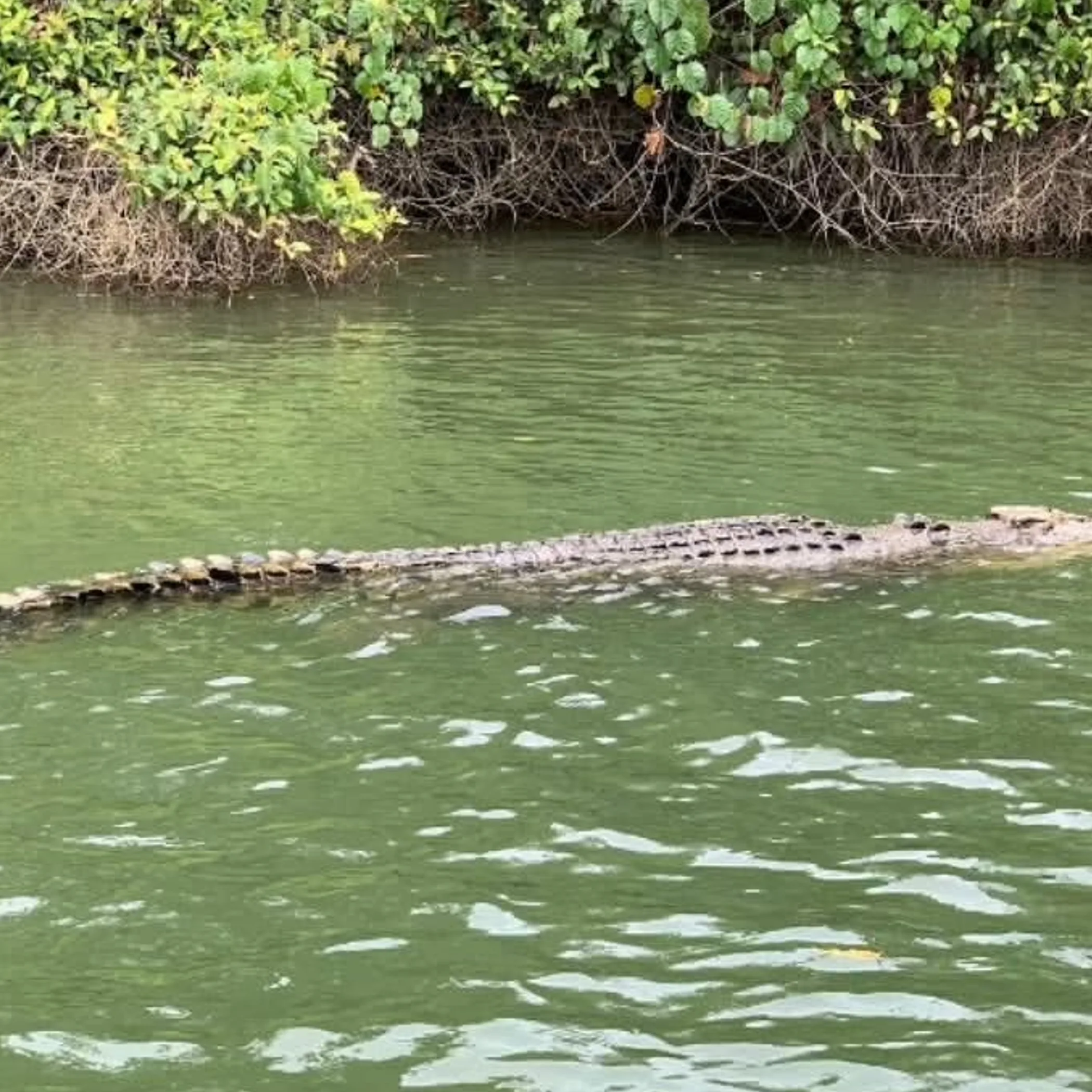
There is no place for curiosity when a crocodile is spotted by the ramp, only distance. Put an end to any launching or retrieving and have your party and pets put some space between themselves and the edge of things.
You are not to make noise in the expectation it will be enough to put the animal off, nor should you attempt to feed, haze or get a close-up photo. Should the crocodile be hanging about where there is normal boat traffic, then put in a report to the NT authorities as is warranted.
The Essentials of an Emergency
When someone is hurt or taken, one makes an immediate call to emergency services provided there is reception. Under no circumstances does one go into the water in pursuit. A boat may be used but only if it will not make a second victim of you; once you are in touch with the responders, heed their instructions.
It is severe for good reason. Prevention is the surest form of emergency response: making no risky shortcuts and being organised in your site selection and in the way you launch and retrieve.
Have The Proper Equipment
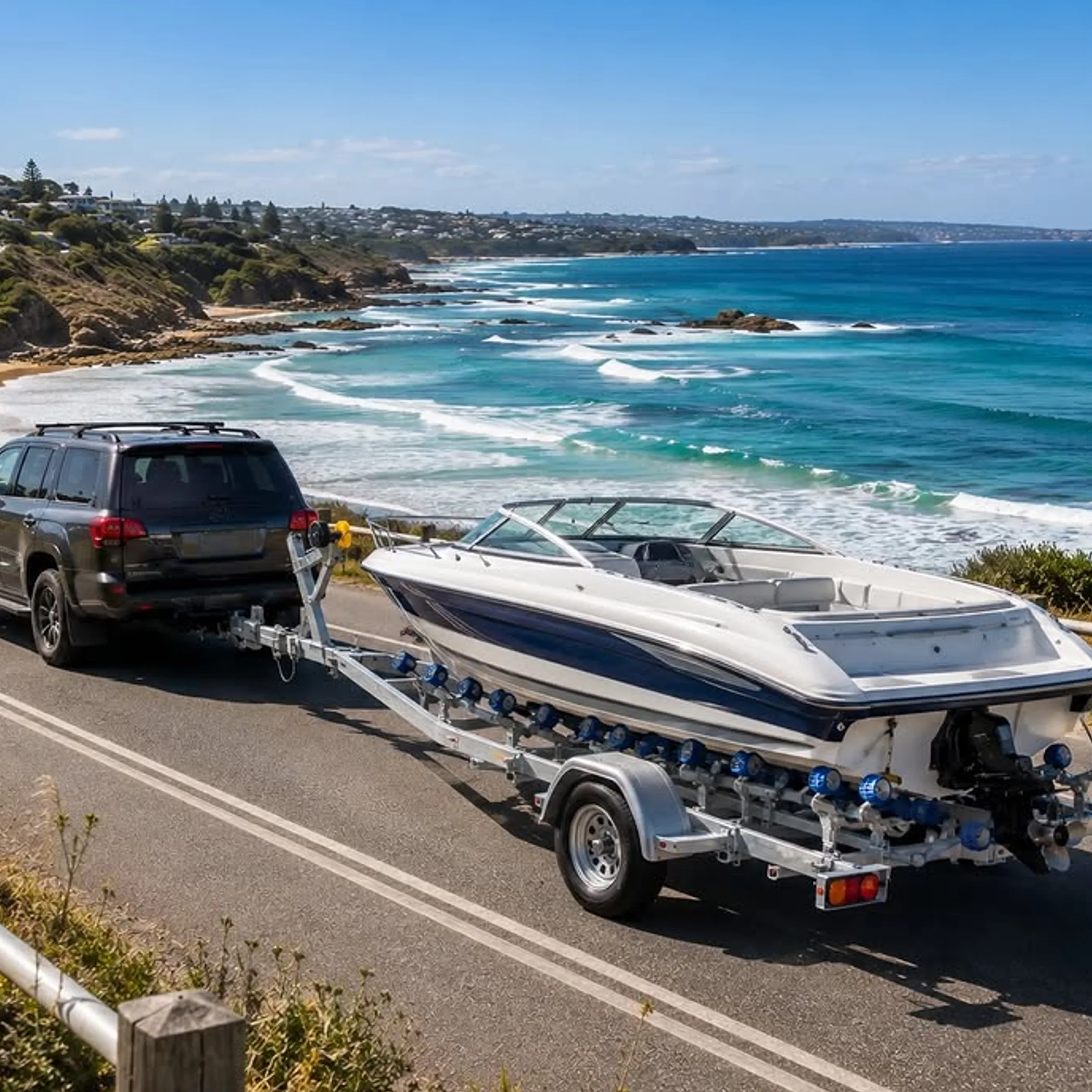
Good habits will see you through, yet having the right gear makes them less of a chore. See that your setup is uncluttered and within easy reach.
In croc country a crew that is well prepared does not waste time at the water’s edge or make decisions in a panic. Tidy logistics are a matter of safety here, not something to be indulged in.
Among the more useful items are a long bow line, a winch you can rely on, non-slip shoes for dry ground, a first aid kit, insect repellent, water, a charged radio or phone and a plan for retrieval. A torch is handy for pre-dawn work away from the edge. And if maps are called for, consult them before you get to the ramp; do not stand there with the trailer half in reverse and the mozzies in full swing trying to figure out where you are.
Some Questions Answered
One hears the same questions put to you over and over, generally by those who are being sensible and want to check before heading north. That is as it should be. You can acquire the right sort of croc-wise habits, they just have to be specific ones.
Boat Launching In Croc Country
Do your prep in the car park, look the ramp over from where you are safe, keep your feet dry and the people out of the water. An efficient reverse is in order, use the pontoon if you can. Let the vehicle and trailer be your shield and put some distance between you and the waterline once the boat is in position.
Top End Ramps
Are there crocodiles at the boat ramps? There can be. Any ramp in the Top End with access to the coast, estuaries, creeks, billabongs or tidal rivers is to be considered crocodile habitat. Some are better run than others but unless the authorities have closed or put a watch on it for cause, do not count on it being free of them.
Retrieving
Get the trailer in place ahead of the boat and do not stand behind or to the side of the transom at the edge. Make short work of securing the boat and head to the parking area to tie down. Fatigue has a way of making one sloppy on the retrieval so you might speed up the process but slow your thinking.
Cleaning Fish
Not at the ramp or jetty. It is an unsafe practice in these parts. The waste will draw a crocodile and condition it to feed where boats are put in and taken out. For the sake of everyone’s safety, leave the fish alone at the ramp.
What of a sighting?
Move back, leave the animal be and if necessary put off the launch. If it is loitering in an area of high use, make a report via the local or NT Government.
Rose Has The Last Word
Boating in the Top End is fine if you are orderly and not without a measure of humility. Do not mistake a bit of macho for a safety habit at the best of the boat ramps. What is needed is a routine, done the same way each time, even if it is a dull one.
As Rose Dunstan would put it, show the wildlife and the water some respect and do not let the holiday spirit addle your wits. When a launch calls for wet feet or a lot of faffing and wishful thinking, it is not the day for it. Or not that ramp. Better to pack in, find a dry spot to boil the billy and come back when conditions are more to your liking.