The first rule of the road for aesthetic treatment safety is to make sure you know who is on the other side of the table, what they are putting into you, the venue and the contingencies should things not go to plan. There are medical risks with cosmetic injectables, laser work and the like in Australia, as well as regulated products and prescription medicines, despite the lure of an ad for a quick lunch-time slot.
I am Rose Dunstan. My time in the beauty, hospitality and wedding industries has taught me that a well presented front desk is only half the story. You may find a clinic with its nice towels and bowl of mints but it is the qualified staff, sound processes, frankness and good aftercare that provide for your safety. The mints can be dispensed with; the standards cannot.
Why you should care about treatment safety
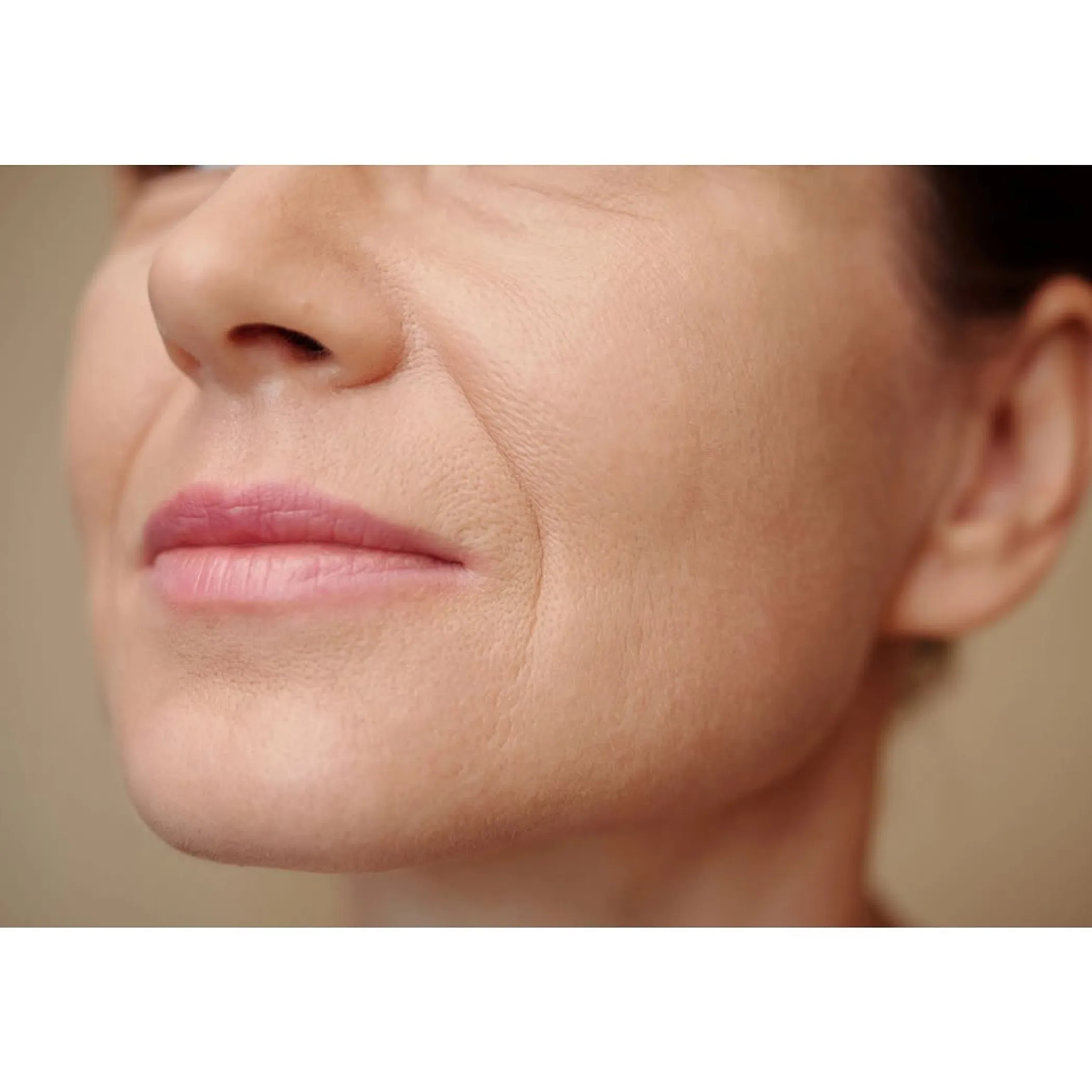
An aesthetic procedure will have an effect on facial structure, pigmentation, the muscles or blood vessels. So do not be fooled by the term “non-surgical”; if the product or device is not right, or the administration is substandard, there is potential for lasting harm and complications.
Proper practice in Australia means doing your homework prior to the appointment, including identifying qualified cosmetic practitioners: verify credentials, put your medical history on the table, get a sense of what is realistic and where to turn in an emergency. A consultation that is hurried is no bargain, more of a red flag with a discount code attached.
Defining Aesthetic Care
We are talking of anything from chemical peels and skin-needling to body-contouring, resurfacing and light-based or laser procedures. Some of these will be done by registered health practitioners, others in a beauty salon under state or territory rules.
Risk is a function of many things: the dose, the area of the body, the practitioner and your own health. Where important nerves and blood vessels are at play, as around the nose, mouth and eyes, assessment must be all the more thorough.
Make of the practitioner a safe choice
This is perhaps the most important decision. If their profession requires it, see if they are registered with the Australian Health Practitioner Regulation Agency (AHPRA). The public register will give you the practitioner’s name and status along with any conditions or limitations. The AHPRA website is a good place to begin to grasp how professional regulation works.
Put training and insurance to the test
Inquire as to the formal training for the procedure in question, not some general course on beauty. With injectables one needs a command of anatomy, dosage, contraindications and how to handle an emergency. And ask about current professional indemnity and public liability. An unwillingness to talk of either is cause for concern.
Registration does not in itself vouch for a result. It is one check, but you must also form an opinion on the person’s experience and whether they will put their foot down when a treatment is not called for.
Have a proper consultation
It ought to be a matter of health and not a sales pitch. The practitioner will want to know of any allergies, mental health issues, pregnancy, current medications or problems with healing. Put forward what you are after and what you are not, and if there is a wedding or similar occasion on the horizon. Should you be put under pressure to have the treatment done then and there, take note of it.
Do not hold back on your medical history
Prescriptions, over-the-counter items, vitamins and supplements should all be mentioned, particularly those that influence bleeding or immunity. Do not forego prescribed medicine for the sake of a cosmetic appointment, run it by the prescriber instead. Previous scarring, cold sores, autoimmune conditions or dental work are relevant. To leave something out because it seems unconnected is to invite risk; the face is not a world unto itself.
Get a clear picture of results
Find out what can be achieved and what cannot, the number of sessions and longevity of the outcome. Ask for a straightforward account of side effects and the more serious kind of complication. Photographs of before and after are useful, yet they do not make any promises. The way results are put on show can be affected by a number of things: the lighting or angle of the camera, how one is posed, the editing and even the time allowed for healing. You will find a responsible practitioner does not put forward every face as an assured success but will be forthright about limitations.
Assessing the clinic

The safety standards of a cosmetic clinic ought to be evident in the small details. There should be no question that the treatment room is clean, private and well ordered for the procedure at hand. Staff must have their process down for everything from hand hygiene and cleaning equipment to the storage of products and disposal of clinical waste and sharps.
In my time in the kitchens of some of the better restaurants I made it a point to see that a spotless bench when you open for service does not speak to hygiene; there has to be a system in place. It is no different in a clinic. Even with the waiting room full and appointments running behind, infection control should be maintained.
Infection control
Put some questions to the clinic on how they go about cleaning surfaces, making ready equipment and getting rid of needles. Single-use items are to be opened and put aside. With reusables the manufacturer’s instructions and what the procedure demands must be followed for disinfection.
If the room is not up to scratch, supplies are unlabelled or lying about, staff are neglecting hand hygiene or the practitioner is at a loss to describe his or her infection-control methods, then do not put up with the treatment. One can simply leave. There is no prize for being polite in the face of a safety issue.
A visit to the clinic
Make allowances for the practical side of things. Do not come in all out of breath from work for your consultation, consent and treatment. See if public transport or parking will be an issue and whether you require a driver to get home.
Unless the practitioner says otherwise, it would be unwise to have an important engagement or put in a hard drive or some other exertion on the heels of a treatment that might leave you with redness, swelling, dizziness or sensitivity of vision. In more remote parts of the country give thought to the route back and how soon medical care is at hand should a symptom of concern arise.
Products and devices
Have the practitioner put you in the picture on the product or device to be used: its purpose, expiry and how it is to be stored. It should be made clear if it is a prescription drug, a regulated item or a cosmetic. In Australia the TGA is the regulator for therapeutic goods. Advertising will tell you of “TGA-approved products” in passing, but ask what status actually pertains to the product in question. Just because it is sold here does not preclude risk or make it right for all.
Device risks
With laser treatment the onus is on the device and settings as much as the operator’s training and eye protection, the skin type and wavelength. Make the practitioner aware of any tanning, sun exposure, active irritation or medicines that could heighten sensitivity and enquire as to how the clinic handles pigment changes and protects the eyes. Misuse of light-based and laser treatments can result in scarring, burns, blisters or injury to the eye. Aftercare and sun protection are part of the plan, not an afterthought.
Complications
There are risks with aesthetic procedures, from the temporary to the serious. Redness, bruising, peeling, dryness and itching are to be expected. Find out how long such side effects run their course and what is beyond the norm for recovery. Then there are the more grave complications: vascular injury, nerve problems, visual symptoms, tissue damage, an allergic reaction or infection. A clinician’s assessment is something general advice found on the internet cannot substitute for.
| Situation | What To Ask | Why It Matters |
|---|---|---|
| Before treatment | What are the risks, common and otherwise? | To put the potential harm in balance with the benefit. |
| During treatment | What medicine, device or product is in use? | For the sake of accurate records and follow-up. |
| After treatment | When do I need to seek help? | Complications can develop and early action is called for. |
| Should anything go wrong | Who is my contact after hours? | You want an unambiguous path to emergency care. |
Emergency signs
Any of the following warrants urgent medical attention: pain that is severe or on the increase, pus, fever, facial weakness, difficulty in breathing, chest or sudden vision symptoms, or anything your practitioner has flagged as urgent. In the case of life-threatening symptoms call emergency services. Do not sit and wait for the clinic to get back to you if you are unwell. Have your records and the like to hand for the medical team.
What is informed consent?
What is informed consent? It is a dialogue in which you are given all the pertinent facts on the treatment put forward, its benefits and probable costs, any risks of consequence and what else is available, so that you can make an agreement. You will not be handed a form to sign as your next appointment is being made.
Put down in writing the aftercare instructions and read them over. In some procedures you may have to forgo alcohol, heat, the sun, makeup or strenuous exercise for a time; abiding by the practitioner’s word is important. Should your recovery be at odds with what was represented, do not hesitate to get in touch.
Make use of a cooling-off period
It is a way to put some distance between a well thought out decision and whatever excitement, sales pressure or insecurity of the moment might dictate. While certain professional environments and treatments will have their own waiting periods, it is worth asking if one is in place and making use of one of your own volition even when there is no requirement to do so.
There is no need to feel you must go ahead because you have put in the miles across Melbourne, made childcare provisions or paid for the consultation. A sunk cost is what it is; your face is under no obligation to deliver a booking conversion.
Watch for red flags
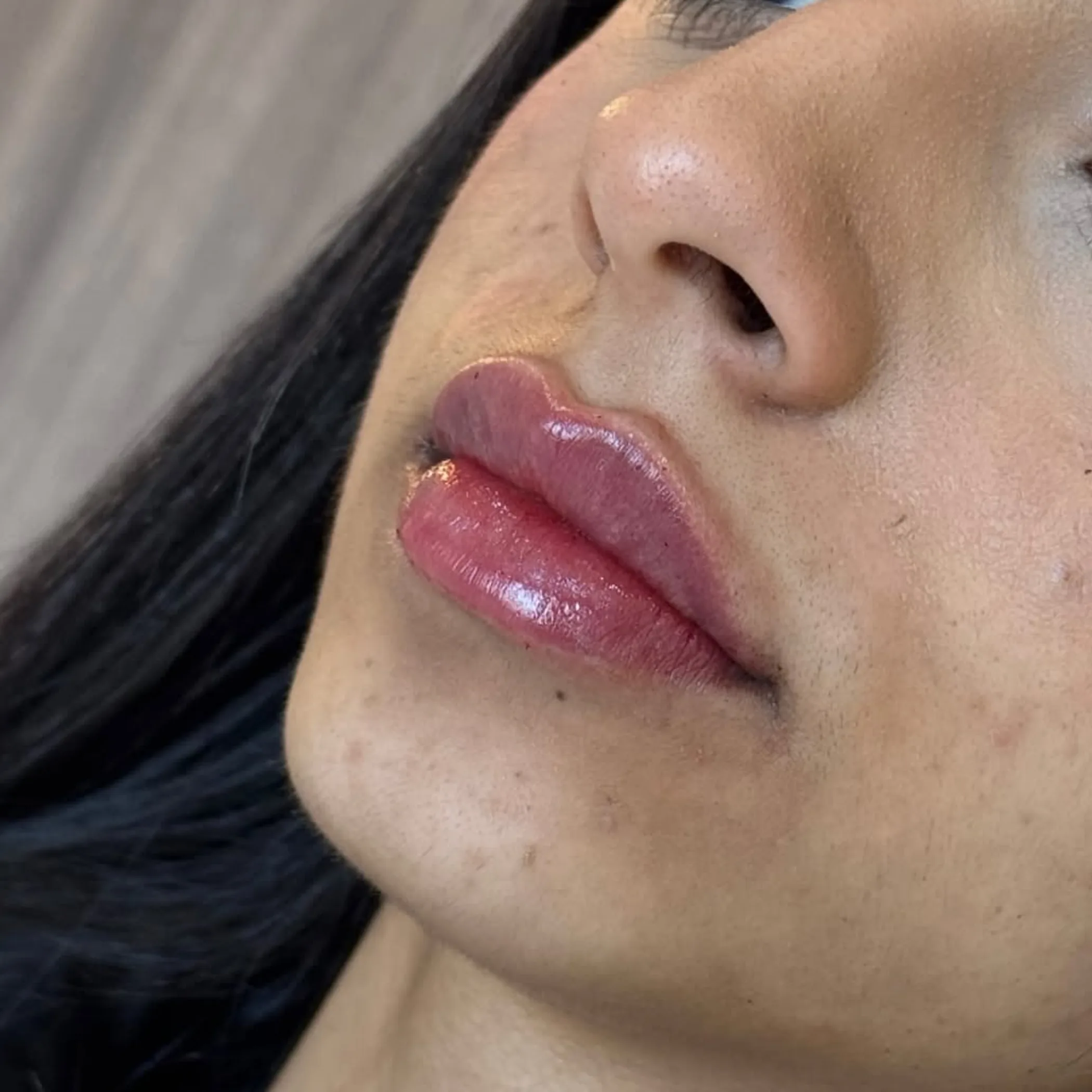
They present themselves in the form of guaranteed outcomes, an insistence you book on the spot, pricing that is not transparent, unqualified staff putting you through a treatment, photographs that have been worked over, or a reluctance to talk about complications. Exercise caution with a clinic that would have you believe a medical procedure is without risk or a product is for all comers. Be all the more wary of those operating out of a home or hotel room where clinical governance and emergency protocols are wanting.
- Verify the practitioner has the necessary training and registration for the procedure.
- Put questions to them on the products and devices, on alternatives and what happens in an emergency.
- Make sure you know the full cost and who is on hand for any complications.
- If you are made to feel rushed or put upon, be gone.
Questions to ask before booking
Come to your consultation with a list. The most useful ones are straightforward and a good practitioner will not put up a wall to answer them.
A pre-treatment checklist
- Find out who is to do the work and what their credentials are.
- What device or medicine is being used and how is it kept?
- What should you expect by way of benefits and side effects, and what of serious complications?
- Are there other options, or is doing nothing one of them?
- Get the total figure for the cost, including any corrective work.
- Who is to see to you in an emergency and what does aftercare entail?
- How are my details and history put on record?
In the event of patient harm or a problem with a registered practitioner, enquire as to the clinic’s complaints procedure and think of lodging a matter with the health complaints authority or regulator. Retain your invoices, dated photos, messages and the like; having clear records simplifies matters when they become difficult.
Frequently Asked Questions
The AHPRA guidelines on cosmetic injectables
These are to be delivered in accordance with the practitioner’s registration and the laws of the state or territory. AHPRA and the Medical Board of Australia have oversight of registered health practitioners but there are rules and authorities governing advertising, supply and so forth. Check the practitioner is in good standing and find out how the clinic handles everything from consent to follow-up.
Regulations for beauty salons in Australia
This will differ from one state to another and the service in question. A salon has to adhere to local council, infection-control and workplace safety rules. Where injections or lasers are concerned, you want a suitably qualified person and more stringent controls. Do not be swayed by the “beauty salon” moniker, ask what applies to the treatment.
New regulations for cosmetic injectables
The rules can be fluid and are contingent on the setting, the product, the practitioner and the state. An old brochure or a social media post is not something to put stock in. Before you book, look to the TGA, AHPRA or the state health authority for the latest.
AHPRA’s new guidelines for cosmetic procedures
AHPRA works with the National Boards to put out information and regulate. The Medical Board of Australia expects due diligence in the way of safe practice, proper consent and conduct. Have the practitioner set out how this bears on your treatment.
Is everyone a candidate for cosmetic treatments?
Hardly. Your skin, your medicines, your expectations and the area to be treated will factor in, as will the practitioner’s view. Active infection, pregnancy or a recent procedure may rule it out or put off the timing. A prudent practitioner will tell you to wait or not to do it at all; it is a nuisance but preferable to finding out otherwise.
Safety first

An unhurried and informed manner is the way to go with aesthetic treatment. Know the product, check the clinic, lay bare your medical history and have a plan for aftercare. In essence, when it comes to aesthetic treatments in Australia, opt for the competent rather than the convenient and evidence as opposed to hype. If the whole thing has a rough edge to it or the price is unduly pressing, then leave. There is always another appointment. With your health there is not.