A shoulder season visit to WA beaches and reefs is the way to go for a lot of travellers. In the north that would be April through June; down south you are looking at March to May or September to November. If you’re wondering when to visit WA reefs, the question can be answered simply: head to the Coral Coast in autumn for water that is warm and marine life you can count on, or opt for spring or early autumn on southern shores where the weather is milder and there is less of a crowd.
I am Rose Dunstan and I have an affinity for places with good looks but no pretension. You will find Western Australia like that in the shoulder season. The water remains inviting and you are not at odds with half the country over a parking space or a snorkel tour, let alone the last proper cup of coffee before 10 o’clock. The roads are not so full.
Some Quick Timing Wins
Forget the brochure talk and you will find the value in shoulder season Western Australia. It spares you the worst of the northern heat and the school-holiday crowds that congregate on many coasts, all while affording fine beach weather in the right spots.
But WA is a big place. What obtains at Ningaloo Reef and Coral Bay is not the same as in Rottnest, Margaret River or Esperance. So deciding on the best time to come to WA is largely a matter of what coast you are talking about and your intentions once you arrive.
By Region, the Months We Recommend
April to June is typically the sweet spot for the Coral Coast and Ningaloo Reef. You will have warm seas, whale sharks in the Ningaloo area and days well suited to snorkelling. On the southern side, March to May and September to November are prime for a road-trip sans the summer din, or for some walking and swimming in more tranquil conditions.
| Region | Best Shoulder Window | What it is for | The catch |
| Ningaloo Reef / Coral Bay | April to June | Warmer water, reef days, whale shark and snorkel tours | Water clarity and tours may be at the mercy of the wind |
| Jurien Bay / Mid-West | March to May, Sept to Nov | Sea lions, driving is easier, time on the beach | Expect cooler water |
| Rottnest Island | March to May, Oct to Nov | Bays, cycling, a bit of shoulder-season beach | Little shade and wind exposure |
| Margaret River Coast | March to May, Sept to Nov | Wineries, surfing, coastal walks and whales | Not for the casual swimmer, the ocean is rough |
| Esperance | Oct to Nov, March to April | A brisk swim, Cape Le Grand National Park | The water has a tropical look but is brisk |
Autumn is best for the Northern Reefs
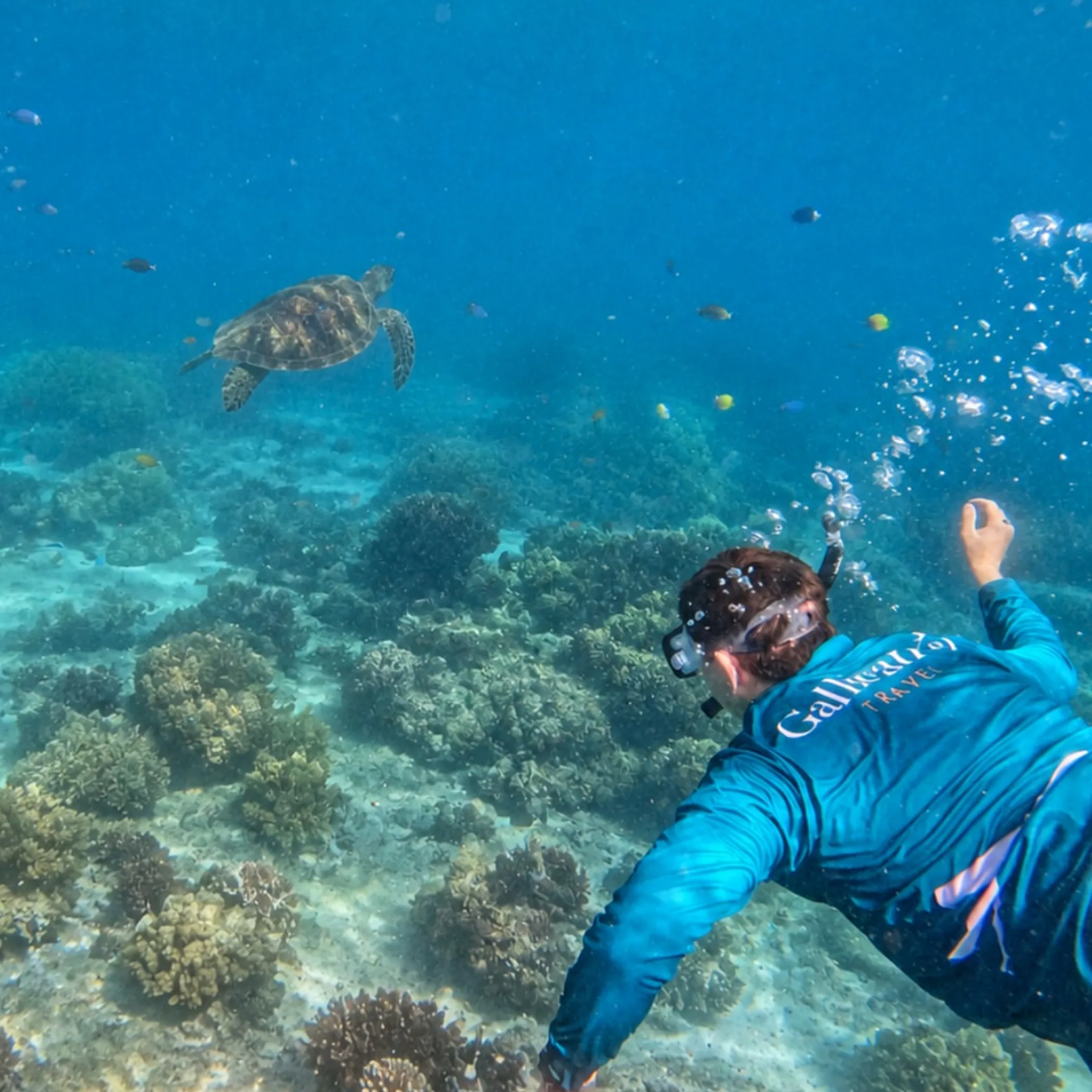
For long days on the reef at Coral Bay or Ningaloo and none of the wet season build-up, autumn is what you want. Most will tell you this is the time to be at Ningaloo and they are right; the wildlife is active, the water is up to temperature and the roads are a better proposition than in the height of summer.
Let me be candid: one is inclined to think every day will be as flat as a pancake, but that is not how it is. A breeze can make an average day of a good one on the Coral Coast by lowering the water clarity.
Ningaloo and Coral Bay
Your priorities will dictate when to make for Ningaloo. To coincide with the whale sharks most put in their plans for April to July, though the shoulder season from April to June is a good compromise on heat and crowds. Exmouth offers more scope for national parks and varied beaches and tours, whereas getting to the reef is straightforward in Coral Bay.
Make the most of a single day with a reef experience rather than attempting to tick off everything. A glass-bottom or snorkel tour and a stop to shore-snorkel in Coral Bay will do, or in Exmouth, a tour and a visit to Turquoise Bay. Too much of the day is wasted in a hot car when people try to drive everywhere. The Coral Coast
On a map the coastal roads of the Coral Coast appear straightforward, but one is reminded that WA does not do short distances. The 1,250 kilometres by road from Perth to Exmouth will take you at least two long days to cover if you have no desire to be cross-eyed when you get there. An Apollo Camper type of vehicle is fine for some flexibility, provided you are honest with yourself as to what you can put up in the way of fatigue and fuel, and have your caravan park bookings in order for the busier times.
There is a chasm between expectation and reality. Most would like to think of it as a matter of turning up at the beach on a whim. In truth the shoulder season has its advantages over peak time, yet you will find key places in Exmouth or Coral Bay booked solid during school holidays or when the marine wildlife is out. Make early arrangements for reef tours if that is the reason for the trip.
Mild Weather On The Southern Coasts
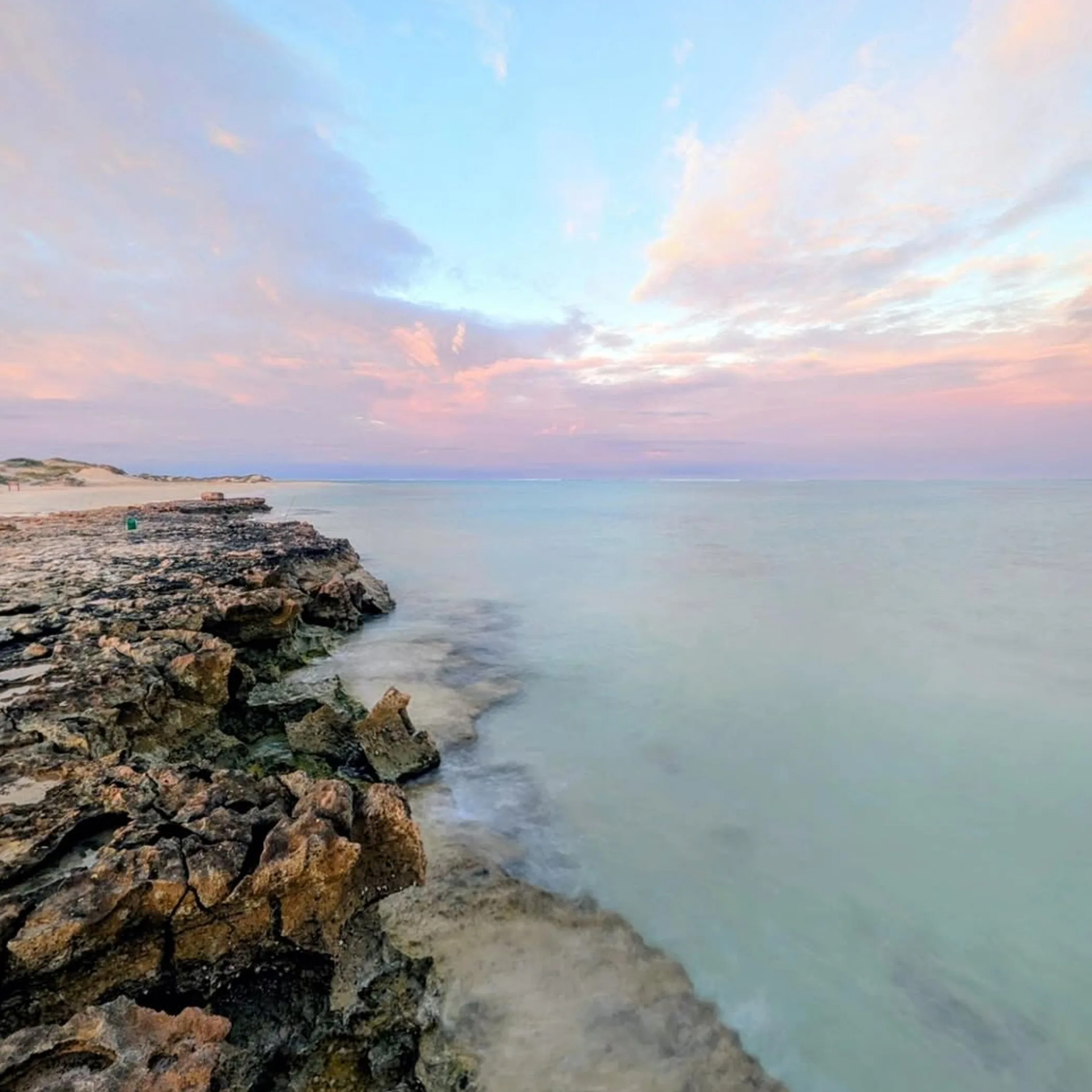
You find an altogether different mood down south. There is no need to be slave to the reef calendar; one can put together a day of good food, a walk, wildflowers or whales and the odd bit of beach time without the car parks being at capacity and the summer prices to match.
Western Australia in autumn and spring is where the travel really pays off. You have more room to breathe and the logistics are simpler so you can enjoy yourself as opposed to having to manage the place.
Rottnest And Margaret River
Travellers after a warm day or two, a decent mix of coast and cuisine and to avoid the summer hordes will often make for Margaret River in the autumn. Do not be fooled into thinking the beautiful beaches are for lazing in gentle water; some of the surf is formidable and rips are no joke, so the casual swimmer must be choosy about where he puts in.
Then there is Rottnest Island. The shoulder season is well suited to those who would rather not be baked in midsummer, be they cyclists or otherwise. Between March and May the sea has not yet lost the warmth of summer and the days are milder. But you are exposed and the wind and sun will have their effect. Take more water than seems necessary and do not count on every bay being placid.
Cape Le Grand, Esperance
Spring or the start of autumn are generally best for Esperance to have reasonable wind and temperatures for a bit of walking and photography. Cape Le Grand National Park is the star attraction and for good reason, though the beaches can be misleading. In a photo they are as Caribbean as you like, then the water temperature makes plain this is southern WA.
A full day with a proper picnic, some lookouts and a few dips is the way to go for most, not an extended swim. One day is better spent in the national park than making a tour of every beach in the township; you will be there instead of backtracking.
When The Weather Has Its Way
Do not think of the shoulder season as some sort of miracle, it only tilts the odds in your favour. Swell, wind and the state of the sea are what make for a glorious day or an irritating one with damp bathers and sand in your lunch.
To see what is coming in the way of forecasts and marine warnings for Western Australia, the Bureau Of Meteorology is the authority. A generic packing list is nothing compared to knowing how local conditions can affect the safety of a boat or snorkel in a hurry.
Zone By Zone
In the north you will be more comfortable once the dry season has set in and the humidity of the preceding months has passed, even if it is still warm before the full dry. The seas at Ningaloo and Coral Bay are much more amenable to a lengthy session in the water than what you will find in the far south. Down south the air may be agreeable in spring and autumn but the sea is cool enough that an all-day float is not for everyone.
It is the wind that gets to most people, not the rain or heat. It can ruin the clarity of the water, make a ferry crossing less pleasant or turn a nice lunch spot into a flying serviette affair. For diving or long snorkelling, leave a day in your itinerary open to accommodate the conditions.
The Value Of Wildlife
Fewer crowds are not the only benefit of the shoulder season. Some of the better marine sights in WA coincide with travel conditions that are hard to beat. Reef seasons in WA are an important part of the plan for that very reason: the animals are not going to wait for your annual leave form.
There is a case to be made for some latitude in your plans when it comes to wildlife tourism, as Rose Dunstan will tell you. Nature has its own way and so do weather cancellations. Do not expect a whale shark to put on a performance like a stage actor; the same holds for a sea lion, whatever airs of confidence they may put on.
Whale Sharks, Whales And Sea Lions
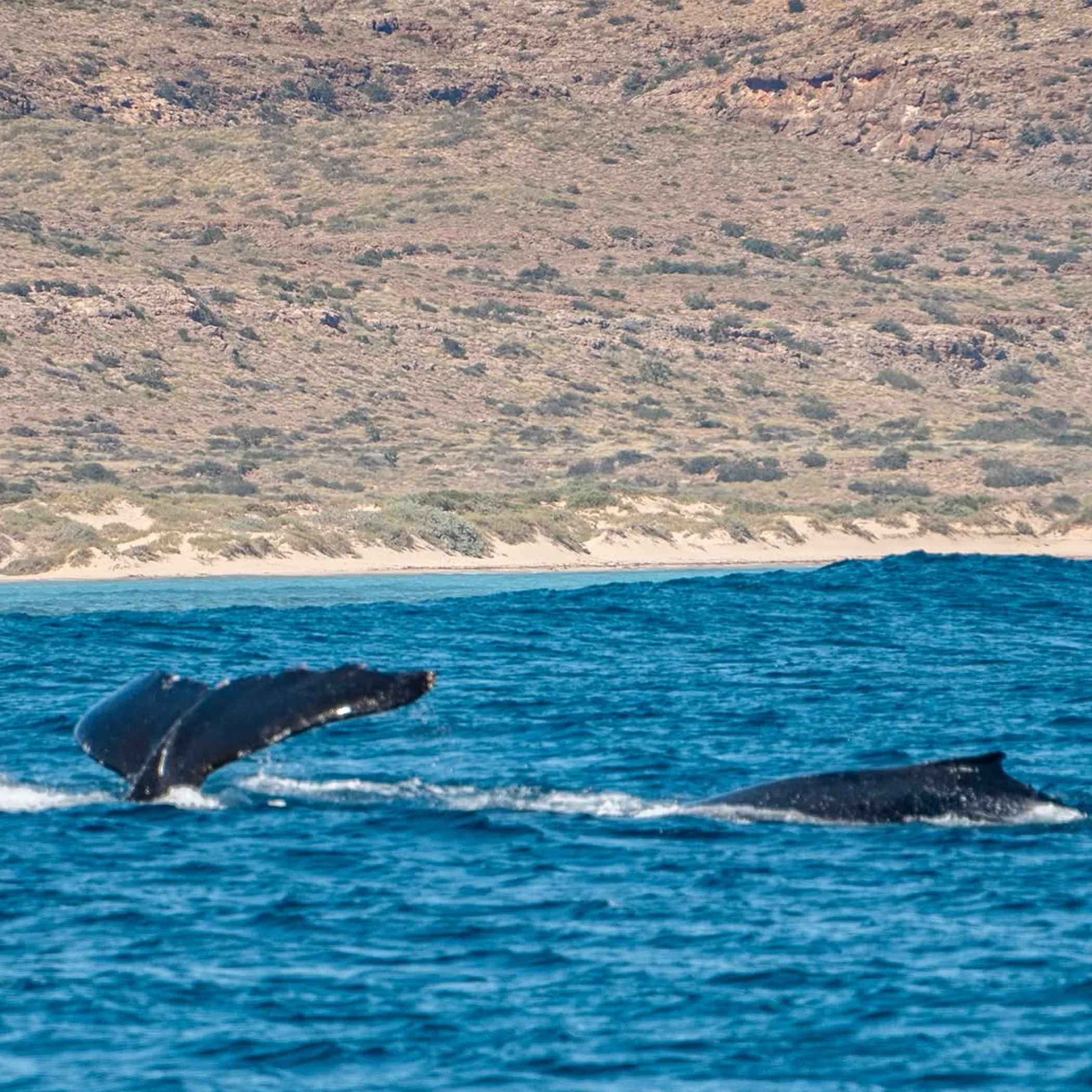
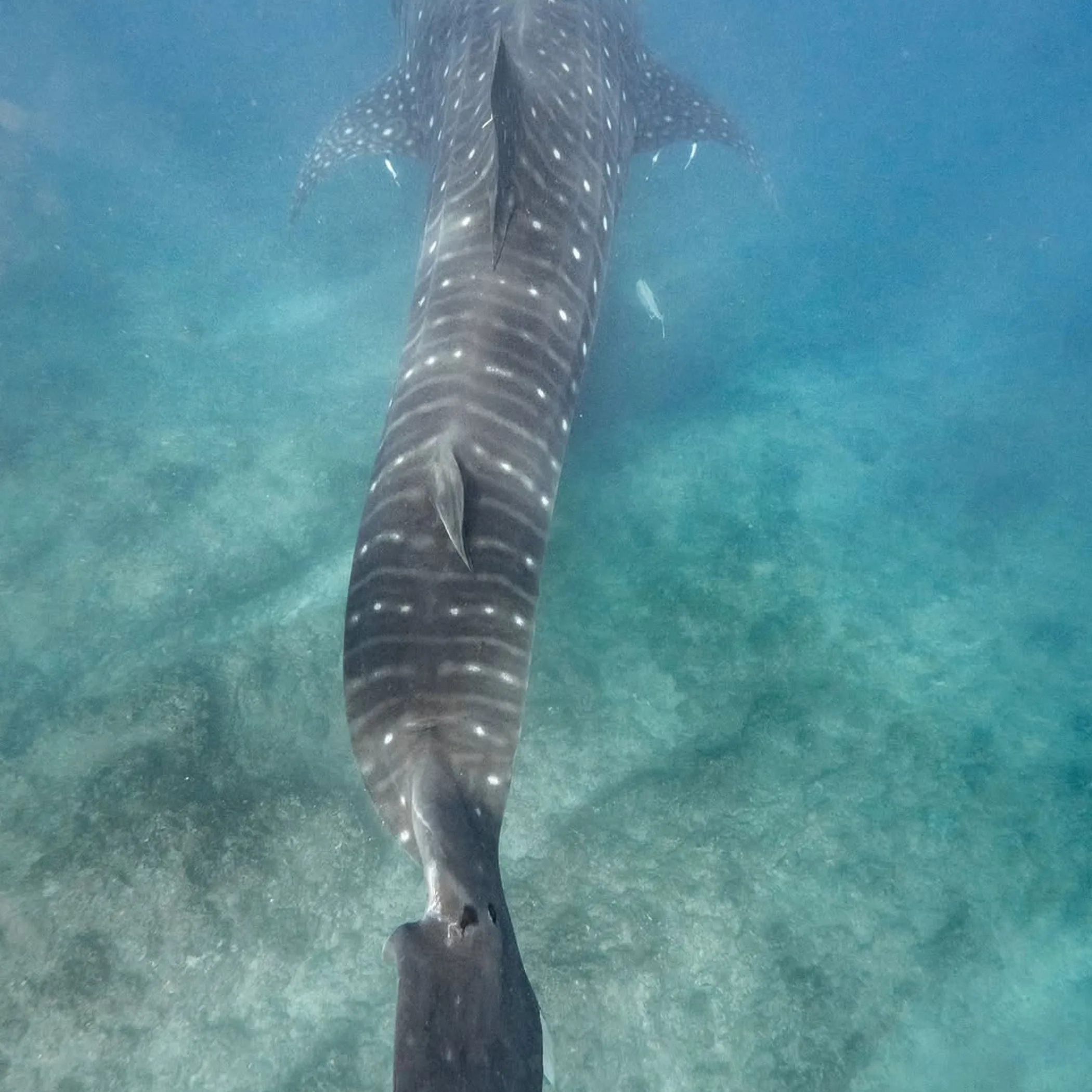
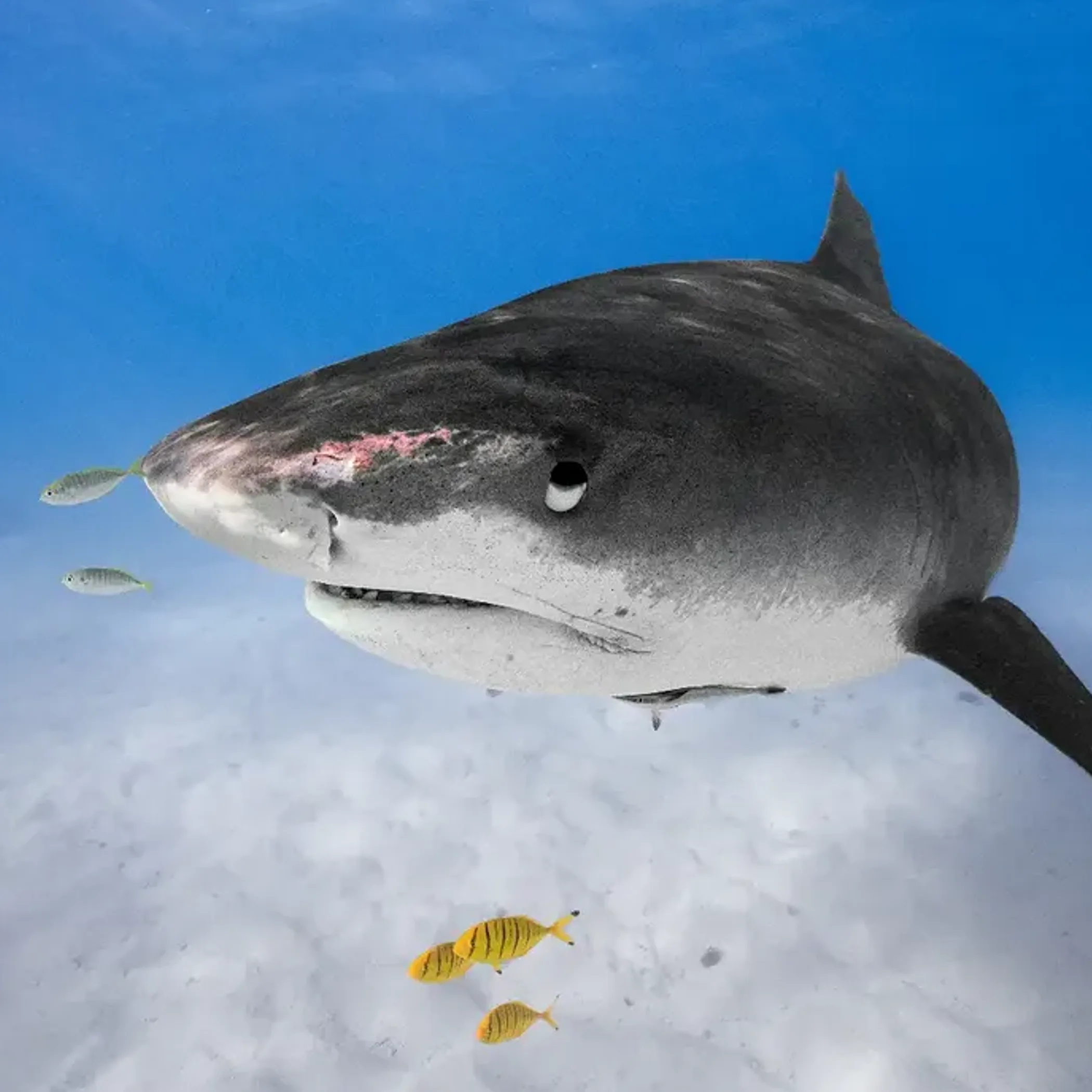
You will find travellers flocking to Ningaloo Reef for the whale sharks from autumn well into winter. Further north and on the southern coasts humpback whales are more of a spectacle in the latter part of the season. Then there are the Jurien Bay sea lions that put the area on the map; in the shoulder periods a boat trip is all the more agreeable than what the summer wind and heat have to offer at their peak.
In some parts of WA spring brings out the wildflowers, an apt accompaniment to a road trip with the beach as its focus. A wiser way to do the shoulder season: head for the coast in the morning and the inland blooms by afternoon, and you will have fewer people about. For those deciding on a holiday that is more regional in scope rather than just time at the reef, the south has more to offer in spring.
Choose Activities To Match Conditions
Do not put the itinerary before the conditions, the better traveller will not. In the shoulder season such flexibility is what separates a cracking day from having to sulk in a damp towel for want of one. This is of particular import to families or the novice snorkeller, or anyone prone to queasiness on a boat. There are fine beaches that are no place for a beginner.
Best Uses Of Your Time
- For beginner snorkellers: Coral Bay and selected Ningaloo shore-entry sites on calm days are often more forgiving than exposed southern beaches.
- For strong swimmers and walkers: Margaret River, Rottnest Island and Esperance reward people happy to mix beach time with distance on foot.
- For wildlife-first travellers: book marine tours around Ningaloo Reef or Jurien Bay early, and keep at least one spare weather-buffer day.
- Not suitable for nervous swimmers: rough surf beaches around Margaret River and unprotected southern beaches in windy conditions.
As for diving, wait until close to departure to make a call on the conditions. With snorkelling the water clarity and which way the wind and swell are coming from will dictate things. Beach walking is the surest option in the shoulder season but you should still have sun protection and water and be mindful of tides, in remote country where a dunny is not on hand.
Plan The Nuts And Bolts Early
WA is not a place where alternatives are round the corner given the distances, so planning is its own reward. Shoulder season eases the process but you must still see to transport, accommodation and fuel in proper order.
And here is where the budget can be caught out. One puts aside the premium of the peak season only to find it has been spent on a long drive, an overpriced servo snack or a change of ferry.
Costs, Access And Booking Reality
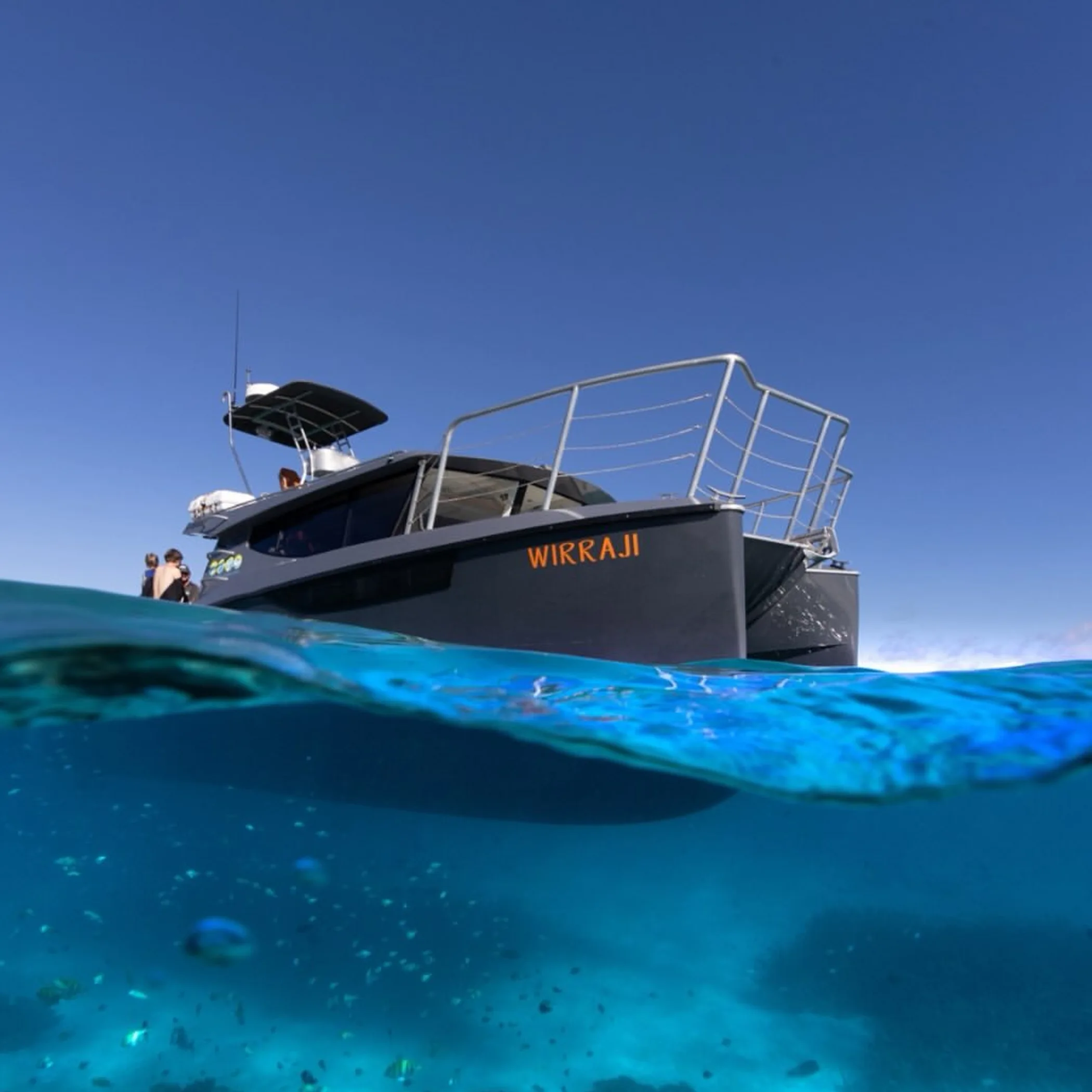
A major marine or whale shark tour in Ningaloo is likely to be the single largest expense, several hundred AUD per head. Rottnest means the cost of the ferry and a bike unless you have made your own arrangements. In Margaret River and Esperance the car is king for flexibility, provided you are honest about the fuel and distance involved.
Good weather will see the car parks at the main beach access points full sooner than is thought, even if it is not peak season. You would be ill advised to make a habit of last-minute changes in Cape Le Grand National Park with the state of the roads, the bays being far apart and phone service being what it is. Up north the self-driver has to watch his fuel and not let fatigue set in after a long straight run with the road trains.
What Most People Get Wrong
The notion that one need not book in the shoulder season. Good tours and accommodation, particularly in school holidays, are in short supply. They also do not give enough credit to how wearing WA driving can be. Put four hundred kilometres on the map and with the slower roads and wildlife at dusk and the occasional stop for a pie it is a big day.
I have been witness to the error of packing for a “beach holiday” and leaving the layers at home. In southern WA it is a poor choice. The morning may be crisp then warm up nicely but come late afternoon the coastal wind will turn it cool again. Put some sense into your packing and forgo the tourism brochure approach.
Routes with Some Merit
An itinerary of any worth in the shoulder season will not make a checklist out of WA, it will allow for the weather and how you are feeling. A snorkel well done, an unhurried lunch or a proper walk on the beach are things one is apt to put in better memory than six hasty stops and a row over where to park.
The following are for the everyday sort of traveller, not some endurance type running on energy drinks from his boot.
Three Options In Point
- Coral Coast, Four To Six Days: Make your way to Exmouth by air or car and put down roots. You can then devote yourself to Ningaloo Reef and a side trip to Coral Bay with a day in reserve for the weather. The reef enthusiast who would rather not be in the car all day will appreciate this.
- Perth And Islands, Three To Five Days: Pair up Rottnest Island and Jurien Bay. There is no need for the long drive north when this gives you your sea lions and easy time on the sand.
- South-West To Esperance, Five To Seven Days: Put in some miles east from Margaret River if you have the stamina. A one-way loop punctuated by an overnight or two is preferable to making a mad dash of it and back again.
My advice, to be practical about it: unless you have the time, stick to either a northern reef or a southern beaches excursion. Attempting to cram Exmouth, Margaret River and Esperance into a short holiday is what has people looking at nothing but bitumen.
Some Common Questions

When putting dates together and seeing if the dream holds up to reality, these are the questions that get asked. Understandable.
Western Australia: Best Months?
A matter of region. April through June tends to be the most reliable for the shoulder season in the north’s reefs. Down south at places like Esperance, Rottnest or Margaret River you will find a better mix of comfort and fewer crowds from March to May and September to November.
And the Great Barrier Reef?
That is Queensland, so let us not conflate the two. Do not let GBR schedules dictate your plans in Western Australia; the seasons are not the same. At Ningaloo for instance, autumn is when you want to be planning.
What does shoulder season amount to in Australia?
In essence the period between the low season and peak holidays. Autumn and spring for the most part. The weather is as good as ever but you do not have to put up with the prices and the hordes.
Esperance, when is it best?
Spring and early autumn are the sensible times. You can have a decent beach day without the summer aggravation and the walking is more agreeable. The water may be cool enough that you should plan on a dip and not count on being in it all day.
Snorkelling the reef in shoulder season?
Certainly in the north. For those wanting warm water and marine life without the stress, the Coral Coast in autumn is hard to beat. Then again, wind and swell have their say in the end.
To put it simply
Autumn is when the northern WA reefs are at their finest, the southern beaches in autumn or spring. There is no month on a national calendar that is the answer for visiting Western Australia. It is the time that fits your coast and your disposition for crowds, whether you are after some whale watching or wildflowers or a no-nonsense walk with a thermos.
WA has a way of rewarding the traveller who makes the right plans and is not overly concerned with doing too much. Arriving at the right beach in the right month and having the time to put in when the water is clear, that is the appeal of it.